
7 Infrastructure Priorities That Keep Manufacturing Projects Moving
| 5 minute read

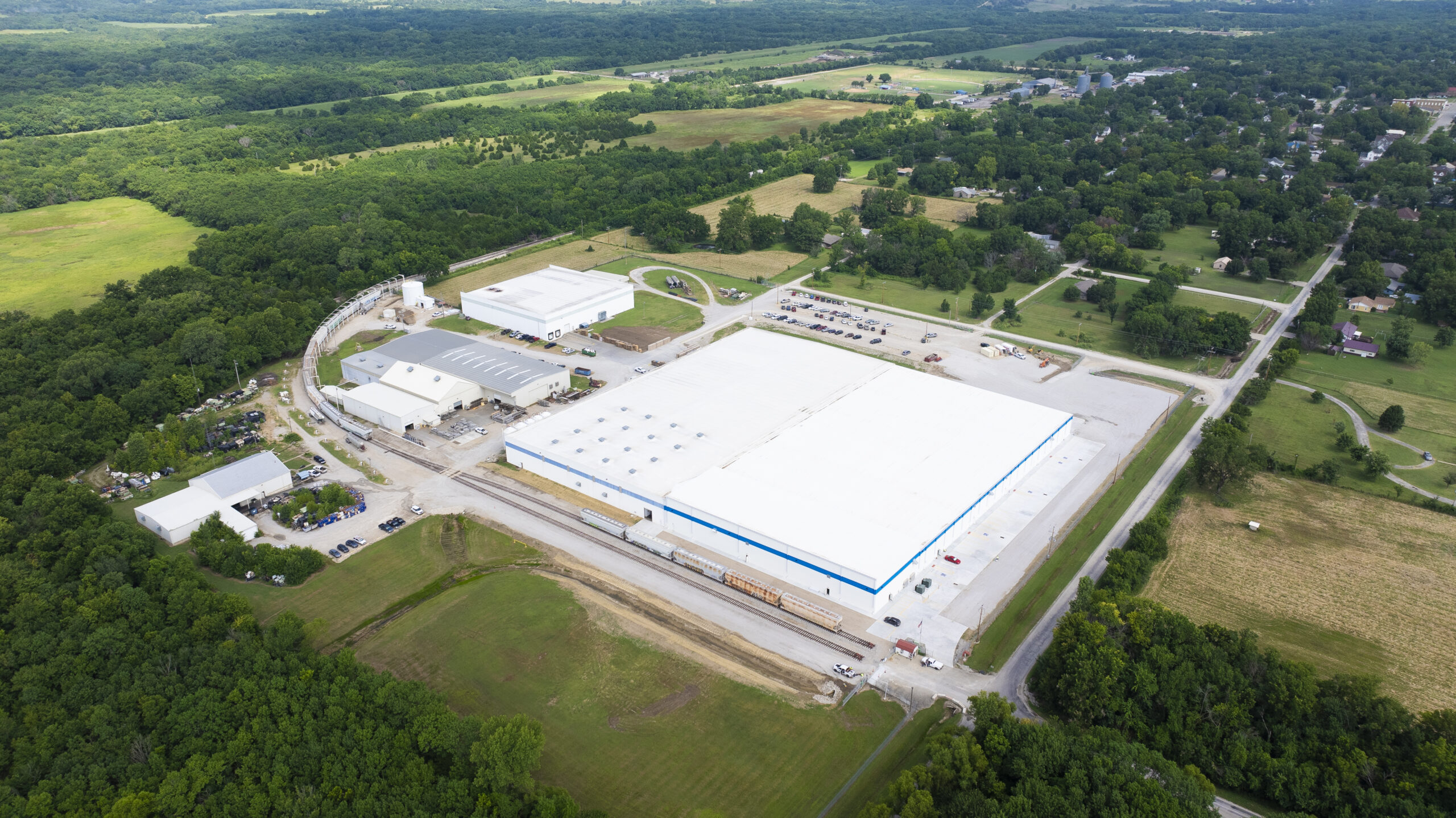
How early coordination helps connect the facility, site and systems around the day production must begin.
A manufacturing facility cannot operate without the infrastructure behind it. Roads must accommodate material deliveries. Utilities must support production demand. Drainage, site circulation and equipment access must work together. Most importantly, each system must be ready when production is scheduled to begin.
That is why successful manufacturing projects require more than vertical construction. They require a team that understands the facility, the site and the infrastructure as one connected operation.
Crossland Construction and Crossland Heavy Contractors bring commercial building, heavy civil and self-perform capabilities together to support complex manufacturing and industrial projects across the United States. Early involvement allows the team to identify constraints, coordinate critical scopes and help owners make informed decisions while options remain available.
1. Site Readiness and Earthwork
Every manufacturing project starts with the ground beneath it. Large building footprints, heavy equipment loads, paved yards and future expansion areas require careful evaluation of grading, soil conditions, stabilization and drainage.
Early site planning should answer practical questions: How much material must be moved? Where can it be stored? How will weather affect the work? When must building pads, haul routes and laydown areas be available? Addressing these issues early helps protect the schedule before vertical construction begins.
- Mass earthwork and grading
- Site stabilization and building-pad preparation
- Temporary access, laydown and construction logistics
- Permanent drainage and stormwater systems
2. Utility Capacity and Coordination
Manufacturing facilities can place significant demands on power, water, wastewater and other utility systems. Those requirements must be understood early enough to coordinate service availability, routing, installation and equipment connections.
Utility work also affects nearly every other part of the project. An underground conflict can delay paving. A late connection can interfere with equipment startup. A capacity issue can require design changes after work is underway. Coordinating these systems as part of the overall construction plan helps reduce handoffs and avoid preventable disruption.
3. Water, Wastewater and Long-Term Site Performance
For many industrial operations, water and wastewater infrastructure is part of the production system—not simply a building service. Treatment requirements, process demands, discharge capacity and future growth can all influence the project approach.
Crossland Heavy Contractors provides water, wastewater and underground utility expertise that can support the infrastructure surrounding a manufacturing facility. Bringing those capabilities into planning early helps the team evaluate constructability, sequencing and long-term performance alongside the building itself.
4. Roads, Rail, and Transportation Access
A facility may be ready for production, but it cannot perform if materials and finished products cannot move efficiently. Truck circulation, employee traffic, delivery routes, heavy-haul access and rail coordination all influence site layout and construction sequencing.
The team must also plan for construction traffic without compromising permanent paving or creating conflicts with active operations. On renovation and expansion projects, that often means maintaining access while work continues around the facility.
5. Construction and Equipment Logistics
Manufacturing projects involve more than construction materials. Production equipment may require specialized foundations, large openings, heavy lifts or carefully sequenced delivery and installation. The construction schedule must account for when equipment arrives, how it enters the building and which systems must be complete before startup activities can begin.
That coordination becomes even more important on active campuses. Work zones, employee routes, deliveries and ongoing operations must remain clearly separated while the project continues moving forward.
6. Self-Perform Control on Critical Scopes
On a complex industrial project, a delay in one early scope can affect every team that follows. Self-performing key work gives Crossland more direct control over manpower, sequencing, field coordination and response time.
Across the Crossland family of companies, teams self-perform work that includes:
- Earthwork and underground utilities
- Concrete
- Structural steel erection
- Carpentry and general trades
- Civil infrastructure, roadway and bridge work
When field conditions change, direct communication between the people planning and performing the work helps the team respond quickly. It also creates clearer accountability for safety, quality and schedule across connected scopes.
7. One Schedule Built Around Production Readiness
The building schedule is only one part of a manufacturing project. Owners may also be coordinating equipment procurement, utility activation, hiring, commissioning, testing and production startup. Each milestone depends on information and work from multiple teams.
A coordinated project plan connects civil work, vertical construction, utilities, equipment requirements and owner activities around the date the facility must perform. That shared view helps the team identify dependencies early and focus decisions where they can make the greatest difference.
Experience Built for Complex Industrial Work
Crossland has delivered large manufacturing and industrial facilities, including projects exceeding one million square feet. Our experience includes work for organizations such as Knauf Insulation, Green Bay Packaging and BNSF Railway.
These projects require teams that can manage large sites, complex logistics, utility-intensive systems and demanding schedules without losing sight of safety or quality. They also reinforce a lesson we see across manufacturing construction: the best time to solve an infrastructure challenge is before it begins affecting production.
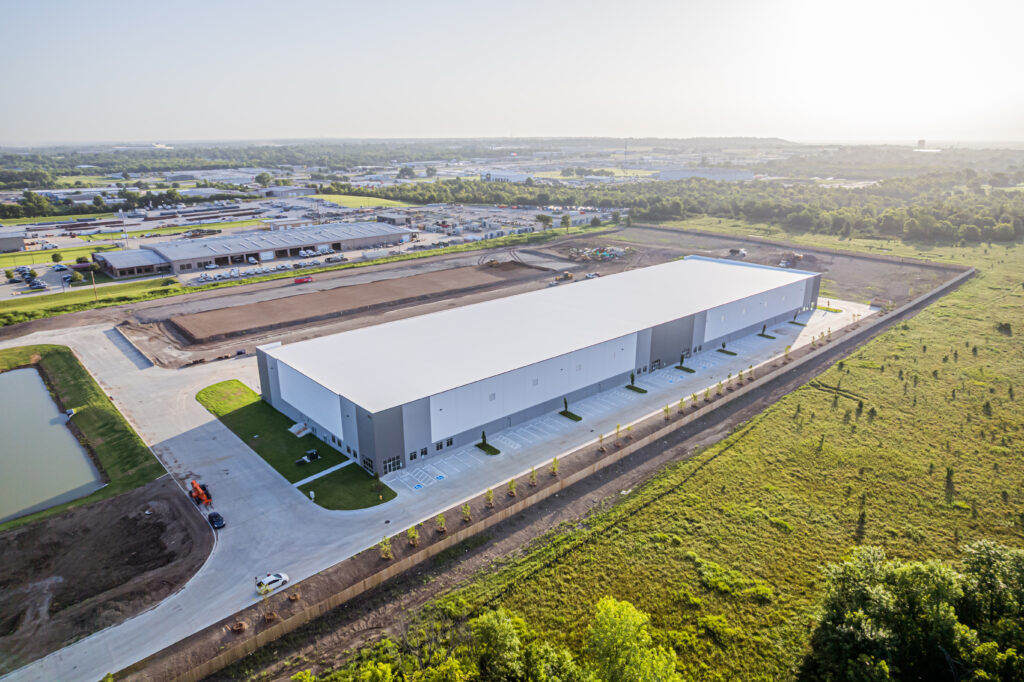
Build the Facility – and What Makes It Work
Manufacturing construction is not simply about delivering a building. It is about preparing a complete operating environment where people, materials, equipment and infrastructure can work together from day one.
Planning a new manufacturing facility, renovation, expansion or infrastructure improvement? Bring Crossland into the conversation early. Our commercial and heavy civil teams can help evaluate site conditions, utilities, constructability, logistics and schedule while there is still time to shape the right solution.
Latest News
